Tow Truck Nowra: How 4WD and Off-Road Recovery Works
Anyone who has driven the sandy tracks behind Seven Mile Beach or the forest trails around Currambene State Forest knows the feeling. One minute you're rolling along fine, the next your wheels are spinning in soft sand or your chassis is resting on a rut you didn't see coming. Getting stuck off-road is common around the Shoalhaven, and it calls for a different kind of help than a standard tow. This is where 4WD and off-road vehicle recovery comes into its own, using specific gear, techniques and local knowledge that a normal roadside tow doesn't require.
What Happens When You're Bogged on a Shoalhaven Beach Track or Forest Trail
etting bogged is rarely just about sand. It might be mud after rain on a forestry road near Nowra Hill, soft ground on a farm track, or a rut on one of the fire trails through Jervis Bay National Park. Each of these situations puts different stress on a vehicle and calls for a different response.
Before any recovery begins, a few things need to be worked out:
- How the vehicle is sitting (level, tilted, or resting on its chassis)
- What the ground is doing around the wheels (soft sand, wet clay, loose gravel)
- Whether the vehicle can be driven out once freed, or needs to be loaded
- Access for a recovery vehicle, including track width and overhead clearance
Rushing in without checking these details can make things worse. A vehicle that's dug in on one side, for example, needs a different approach to one that's simply lost traction on flat, soft ground.
How 4WD and Off-Road Recovery Differs From a Standard Tow
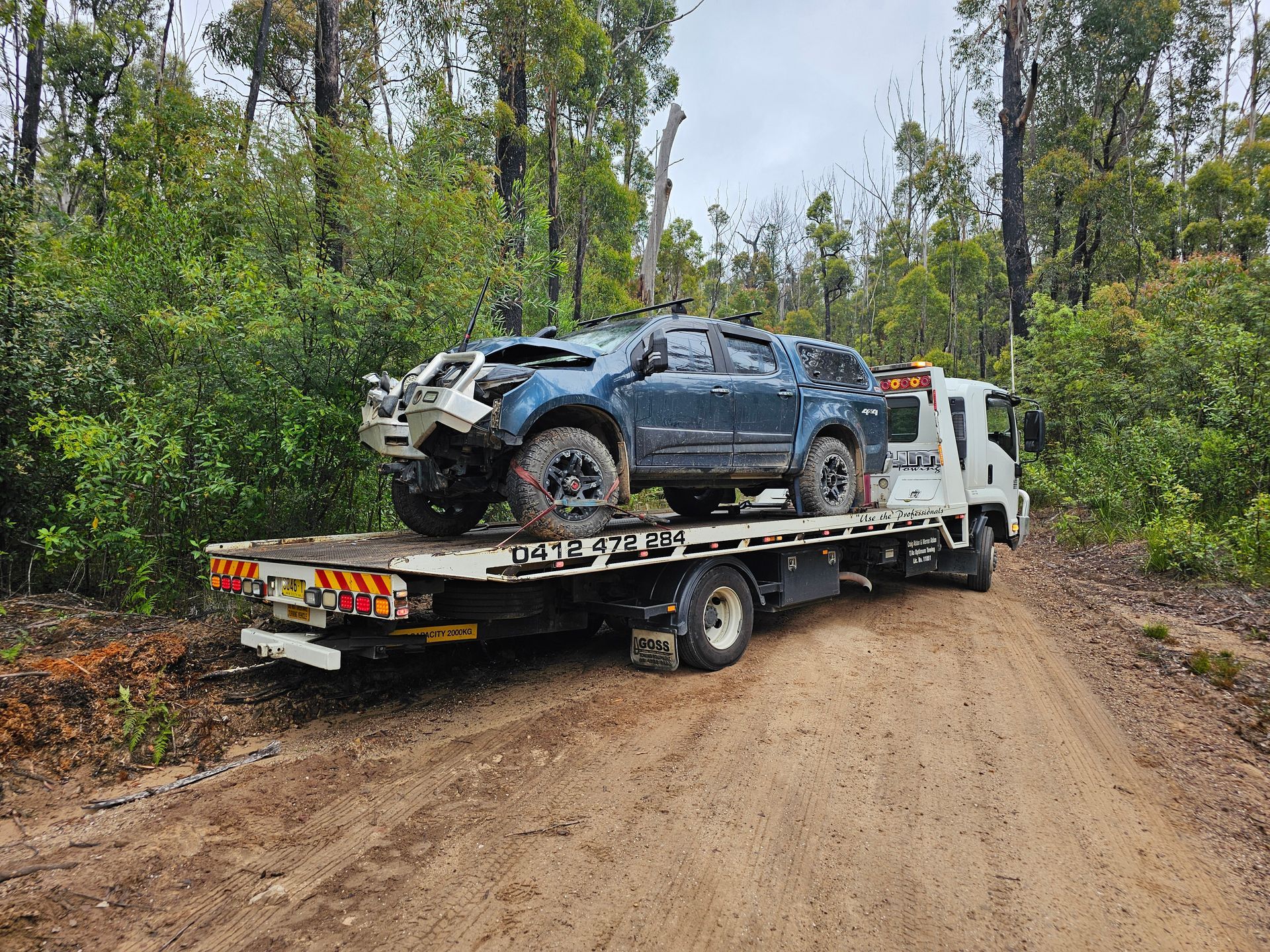
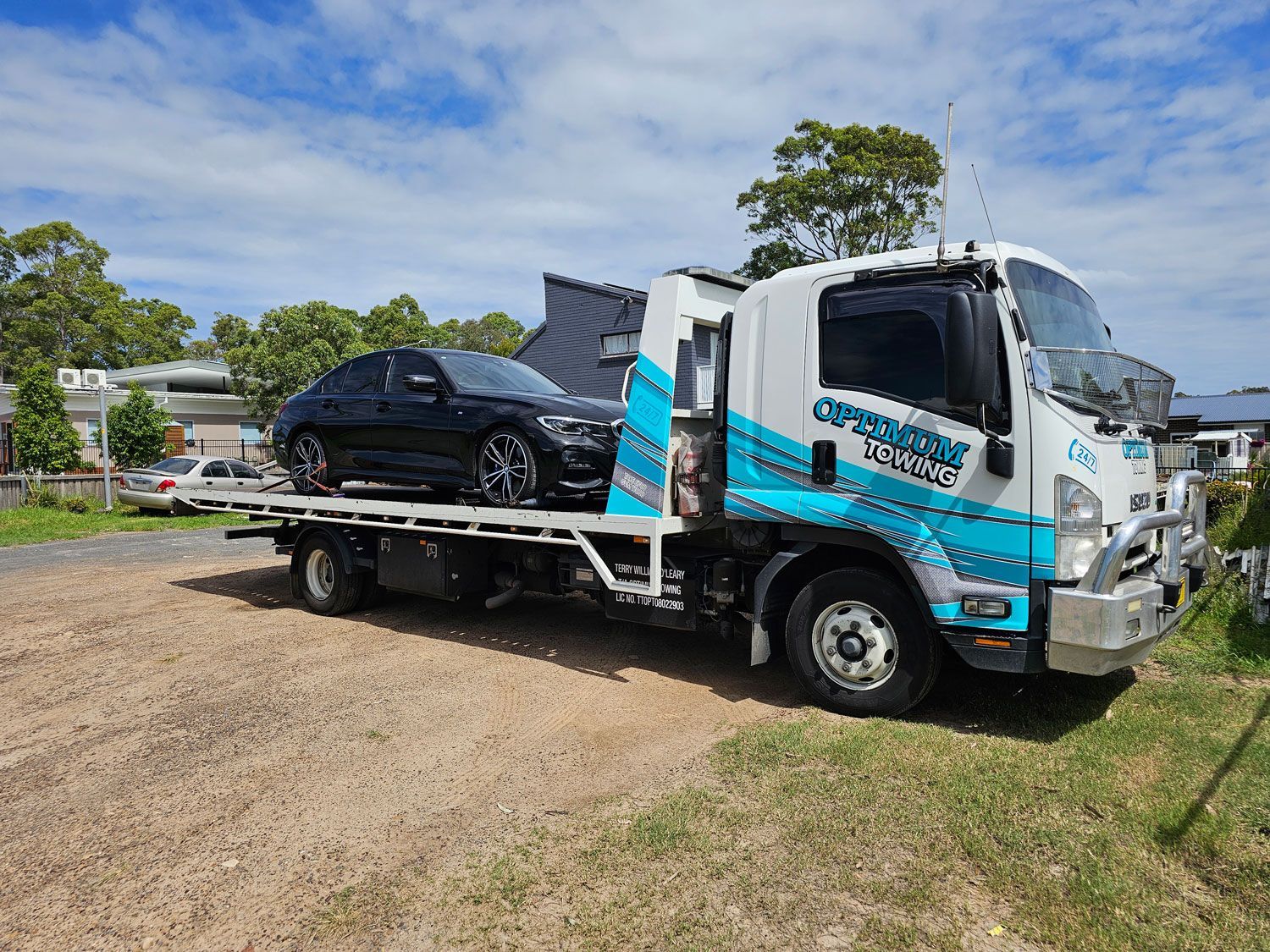
A standard tow usually means picking up a vehicle from a road or driveway and moving it to a workshop or home. Off-road vehicle recovery starts well before the tow itself. It's about safely getting a bogged or stuck vehicle back onto solid ground, then deciding whether it can continue under its own power or needs to be transported.
Some of the practical differences include:
- Recovery vehicles built for uneven or unsealed terrain, not just bitumen
- Use of winches, snatch straps and recovery boards rather than a standard tow hook
- Assessment of underbody damage before any pulling begins, since a bogged vehicle may be resting on rocks or stumps
- Coordination with the vehicle owner on the safest direction to pull, especially near water, cliffs or soft verges
Because of this added complexity, off-road recovery tends to take longer and involve more equipment than pulling a car off a suburban kerb. It's a different job, not a bigger version of the same one.
Winch Recovery: The Gear and Assessment Involved
Winching is one of the more technical parts of off-road vehicle recovery, and it's not something to attempt without the right setup. A winch works by pulling a vehicle towards a fixed anchor point, whether that's another vehicle, a tree trunk protector, or a ground anchor in open sand.
Before a winch is used, several checks are typically made:
- The anchor point is assessed for strength and stability
- The angle of the pull is set to avoid twisting the vehicle or the winch cable
- Bystanders are kept clear of the cable's path, since a snapped line under tension can be dangerous
- The vehicle's gearbox and handbrake are checked so the wheels aren't fighting the winch
Winch recovery also depends on reading the terrain correctly. Sand behaves differently to mud, and a wet creek crossing needs a different pull angle to a dry gully. Getting this wrong can dig a vehicle in further or cause damage to the chassis, bull bar or recovery points. This is one of the reasons professional recovery is worth calling on rather than relying on a mate's ute and a strap from the boot.
Can a Tow Truck Reach You If You're Stuck Off-Road?
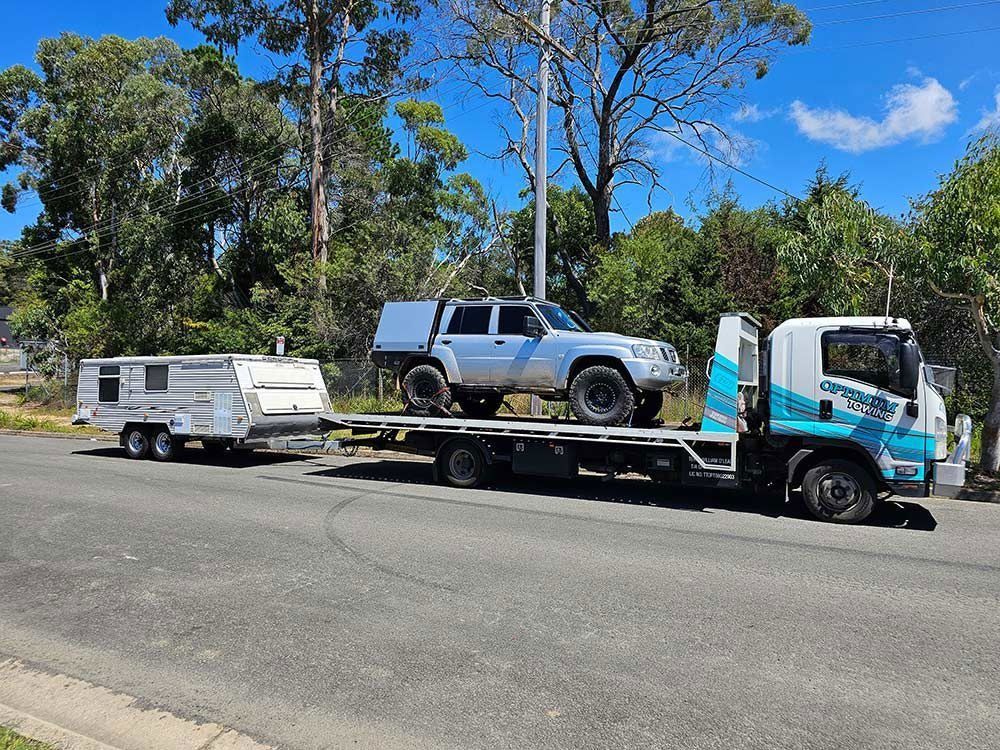
This depends largely on where the vehicle is and what's blocking access. Some fire trails and beach tracks around the Shoalhaven are wide enough for a 4WD-capable tow truck to drive in directly. Others require the recovery vehicle to park at the nearest accessible point and use a long winch cable to reach the bogged vehicle.
Factors that affect reachability include:
- Track width and whether there's room to turn a recovery vehicle around
- Tide times, for beach recoveries where water access changes throughout the day
- Overhanging branches or narrow forest corridors that limit vehicle height
- Ground conditions along the approach, not just at the bogged vehicle's location
If a location genuinely can't be reached by any vehicle, on foot recovery using portable winches or come-alongs is sometimes an option, though this is less common. For most Shoalhaven tracks, a properly equipped tow truck can get close enough to complete the job. Our
salvage and recovery Nowra service is set up specifically for these harder to reach situations, where standard tow trucks would need to stop well short.
Local Knowledge: Why Different Shoalhaven Tracks Need Different Recovery Approaches
The Shoalhaven covers a wide mix of terrain, and that variety matters when it comes to recovery. A vehicle bogged on the sand at Seven Mile Beach needs a different approach to one stuck in the clay tracks around Berry, or a farm vehicle stranded on a rural property near Nowra.
Some examples of how terrain changes the approach:
- Coastal sand recovery often needs recovery boards and lower tyre pressure techniques before winching
- Forest and fire trail recovery deals with roots, rocks and uneven camber
- Rural and farm recovery may involve wet clay or dam edges, where ground stability is the main concern
- River and creek crossings require careful assessment of water depth and current before any pulling starts
Drivers who spend time on these tracks regularly, whether for camping, fishing or farm work, often already know which spots cause the most trouble after rain or a big tide. That local pattern recognition is part of what makes recovery in this region different to recovery in, say, an inner city car park. It's also worth reading
how towing services can help you avoid further vehicle damage, since the wrong recovery attempt can turn a simple bog into a more expensive repair.
What to Do If You're Bogged or Stuck
If you find yourself bogged or stuck off-road, the first few minutes matter. Spinning wheels or repeated attempts to drive out often make the situation worse and can bury a vehicle deeper into sand or mud.
A few practical steps to take:
- Stop driving as soon as you notice wheel spin without forward movement
- Check the vehicle's position, including whether it's tilted or resting on anything underneath
- Clear excess sand or mud from around the tyres if it's safe to do so
- Note your exact location, including any track names or distance markers
- Call a recovery service that carries 4WD-capable equipment, rather than a standard tow truck
Trying to self recover with an unsuitable strap or anchor point can lead to injury or further vehicle damage, particularly on beach or forest terrain where conditions change quickly. Waiting for the right equipment is usually the safer and more cost effective option.
Get Help When You're Stuck
4WD and off-road vehicle recovery is a specific skill set that goes beyond hooking up a chain and pulling. It involves reading the terrain, choosing the right recovery method, and protecting the vehicle from further damage along the way. Whether it's a beach track bog, a forest trail rut, or a rural property stuck spot, the approach needs to match the ground you're on.
We at
Optimum Towing provide 4WD and off-road recovery across the Shoalhaven, including beach, forest and locations around Nowra. If you're bogged or stuck and need equipment suited to the terrain,
call us and we'll talk you through the best way to get your vehicle moving again safely. Drivers further south can also check our
tow truck Kiama page, or browse
our towing services for the full range of what we offer.
Frequently Asked Questions